The CBSE three-language R1-R2-R3 framework starts in Class 9 from July 1, 2026 — five weeks from this brief. Most language teachers already know the headline rule: of three languages, at least two must be Indian. What is less widely discussed is the textbook gap that arrives with the rollout. Until dedicated R3 textbooks are written and published for Class 9, the board has confirmed that Class 6 R3 textbooks will fill the slot, supplemented with locally curated short stories, poems, and non-fiction. Detailed guidance on those supplementary readings is expected by June 15.
For Class 9 language teachers, the next five weeks are about bridging a level gap with material designed for a younger cohort. Here is a working prep brief.
What changes in classroom practice
The structural change is small on paper and large in the room. Each Class 9 student now studies three languages instead of two — typically Hindi, English, and a third language chosen from a board-approved list that includes Sanskrit, regional languages, and modern Indian languages. Schools that earlier offered Sanskrit as a Class 9-10 elective will now schedule it as a mandatory R3 slot for many students, while schools with a strong regional-language base may see Tamil, Telugu, Kannada, Bengali, Marathi, or Gujarati emerge as the dominant R3 pick.
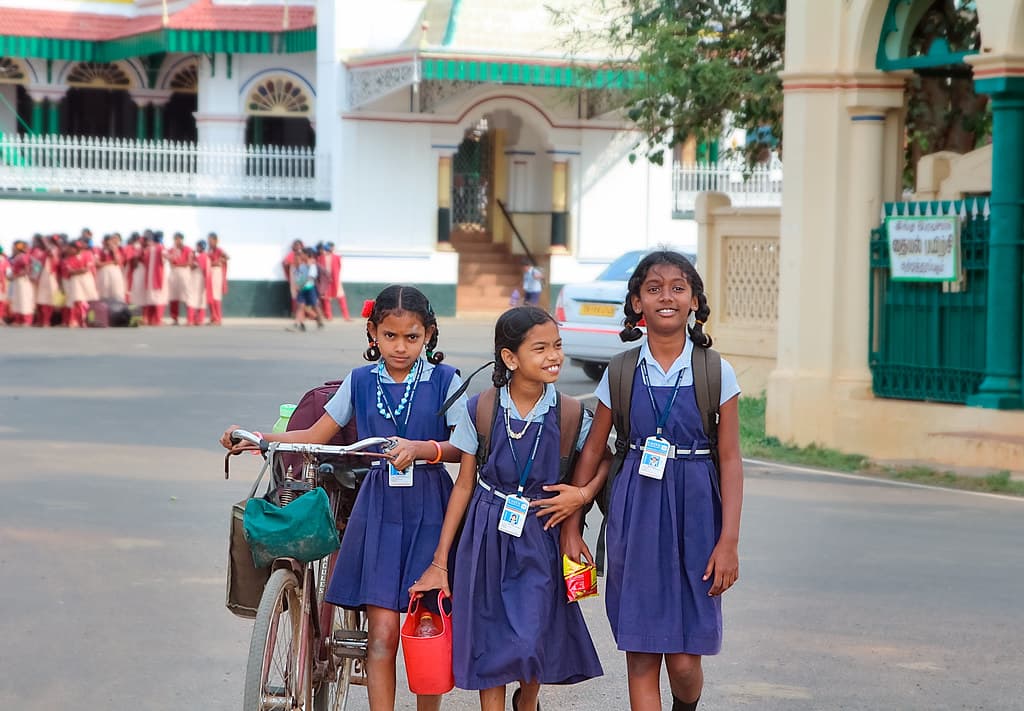
The instructional question is sharper. A Class 9 R3 learner is, by definition, at the beginner-to-elementary level in that language. Class 6 R3 textbooks are written for beginners — but for eleven-year-olds. The themes, examples, and reading level were calibrated for that audience. Using them in a Class 9 room creates a tone mismatch even when the linguistic content is right.
The bridging strategy: three tactical moves
First, accept the textbook's grammar progression and reframe the content. Class 6 R3 textbooks introduce the alphabet or script (for languages like Sanskrit, Tamil, Bengali), then basic nouns, verbs, sentence construction, and simple comprehension. The linguistic ladder is sound for any beginner. What needs reframing is the example sentences and reading passages — a fourteen-year-old does not want to read about Ravi going to the market in five-word sentences. The same grammar can be drilled using age-appropriate topics: current events, sports, technology, social issues.
Second, plan the supplementary curation early. The board has indicated that schools will be allowed to select local literary material — short stories, poems, non-fiction — to supplement the Class 6 textbook. Detailed guidance is due by June 15, but teachers can start the work now. For Sanskrit, well-curated subhashitas and short narrative passages work better than full Kavya selections. For Tamil and Bengali, contemporary short story anthologies from the school's library are usually the cleanest starting point. For Hindi or Urdu used as R3, age-appropriate news editorials or biographical excerpts give the linguistic exposure with adult-coded content.
Third, plan the assessment carefully. Class 6 R3 textbooks include end-of-chapter exercises calibrated to Class 6. Class 9 assessment patterns, even for a beginner R3, will need to align with the CBSE Class 9 assessment framework — internal assessments, periodic tests, year-end exam. Teachers should plan how a Class 6 textbook chapter maps to a Class 9 unit test. Two practical approaches: keep the textbook material as the linguistic core and add a separate "extended reading" component for the unit test, or treat each Class 6 chapter as covering one to two Class 9 weeks rather than the original Class 6 pacing.
What the board has and has not committed to
The board has committed to: (a) Class 9 R3 starting July 1, 2026, with R1, R2, and R3 as the three-language structure; (b) Class 6 R3 textbooks of the 2026-27 edition serving as the interim text; (c) supplementary literary material chosen by schools, with guidelines by June 15; and (d) at least two of the three languages being native Indian languages. The board has not yet committed to a fixed date for dedicated Class 9 R3 textbooks. Educational publishers we tracked are estimating a likely 2027-28 rollout for Class 9 R3 specific titles — meaning this year's Class 9 cohort, and likely next year's, will go through the Class 6 textbook bridge.
For teachers, the absence of a dedicated textbook is the most consequential operational point. It means the lesson plan is, in practice, your own — not the textbook's. The pacing, the example bank, the reading list, and the assessment ladder all sit with you for the first time in many years.
Five weeks: what to actually do
This week, before any other prep: confirm which R3 each of your Class 9 sections will offer. This is usually a school-level decision driven by parent preference and teacher availability, but in many schools the final mix is still in flux as of late May. Without that confirmation, all subsequent prep is provisional.
Next week (May 26 to May 31): download or pick up the Class 6 R3 textbook for your assigned language. Read the entire textbook in one sitting if possible. Most are short — between 80 and 140 pages. While reading, mark sentences and passages that need age-appropriate substitutes, and start a parallel list of contemporary themes that hit the same grammar points.
The first week of June: draft the supplementary reading list. Aim for ten short pieces — five to eight prose, two to five poems — across the academic year. The board's June 15 guidance will likely allow more granularity, but the framing list is most useful when drafted before the guidance arrives.
The second and third weeks of June: build the unit test structure. Sketch how the six- or seven-unit Class 6 textbook will map onto two to three Class 9 internal assessments and one year-end paper. This is the part most schools defer and most teachers regret deferring.
The last week before July 1: a working session with the section head and the other R3 teachers in your school. The questions to align on: what level of script proficiency is expected by the half-yearly, what the reading list looks like across sections, and how borderline cases (students who picked R3 against their own preference) will be supported.
The wider context
The R3 rollout sits inside the broader NEP 2020 multilingual push, which has been progressively implemented across NCERT textbook revisions for Classes 1 to 8 and is now reaching the secondary stage. The structural rationale — early exposure to a third language with cognitive and cultural payoffs — is well-established in language pedagogy literature. The implementation reality, for the Class 9 teacher in July 2026, is messier than the policy paper. The textbook gap is the most concrete signal of that gap.
Two reads that have helped teachers in our reader base prepare for the rollout: a primer on the CBSE structure at Business Standard, and the more detailed textbook implementation note at Tiwari Academy's CBSE 3-language page. Both are useful as background, neither is a substitute for the board's June 15 guidance document.
July 1 is five weeks away. The textbook gap is the work. The work that gets done before then is what the first quarter of 2026-27 will feel like in your R3 classroom.