Karnataka's School Education Department has issued the academic calendar for 2026-27. The headline numbers are the easy part: schools across the state — government, aided, and unaided — reopen on May 29, 2026; the year runs 245 working days inside a 365-day window; the first term closes on October 2 and the second term runs October 22 to April 2027; the Dasara break is 18 days. Sitting alongside the calendar is a state-wide drive to bring back out-of-school children between 6 and 18 into the system at district, taluk, and village levels.
For Karnataka school heads, academic coordinators, transport in-charges, and section heads, the calendar is a planning document, not an announcement. The next four weeks decide whether the term opens cleanly or with the avoidable friction that costs the first three weeks of teaching. Here is the working brief.
The five dates that anchor the year
Pull these into your school's master calendar before staff orientation begins.
May 29, 2026 — Day One. Schools reopen. The Department has been clear there will be no extension of summer holidays; the May 29 date is being held statewide for government, aided, and unaided schools alike, as News First Prime reported.
October 2, 2026 — First term ends. A clean four-month working window from May 29 to October 2 carries the bulk of Term 1 syllabus completion and the first set of internal assessments.
October 22, 2026 — Second term begins. The Dasara break runs roughly October 3 to October 21, an 18-day window that is the longest mid-year gap on the calendar.
April 2027 — Academic year ends. The full second term runs October 22 through April, which is where most board-aligned syllabi land their pre-board and board exam preparation.
245 working days. This is the binding constraint. Every loss day — election holiday, civic disruption, weather closure — eats into the same fixed budget. Last year's working-day shortfall in many Bengaluru schools was the single largest driver of compressed syllabus complaints.
What changes from the 2025-26 cycle
The headline structure — two terms, mid-year Dasara break, end-of-April closure — has been consistent across the last several Karnataka academic years. What has shifted is the planning posture around it.
First, the Department has explicitly clarified that no rumoured extension of summer holidays will be entertained. Several recurring rumours about a June reopening across Bengaluru and Mysuru have been formally denied. School heads should plan transport rosters, fee notices, and orientation schedules to the May 29 date and resist the temptation to soft-launch on the first week assuming a quieter campus.
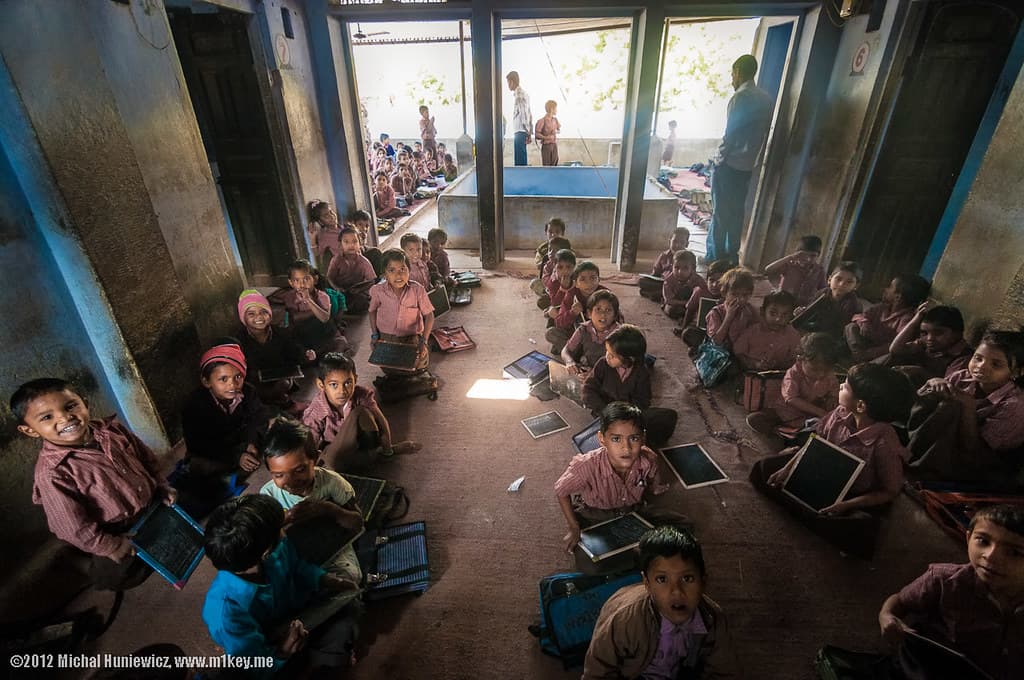
Second, the calendar arrives alongside a renewed dropout re-enrolment drive. This is the part of the announcement that has been undercovered. The state has asked the system to identify children between 6 and 18 who are out of school at the district, taluk, and village level, and to bring them back. For aided schools and government schools, this is a direct operational ask. For unaided schools with RTE 25 percent reserved seats, it is an indirect ask — the dropout pool tends to overlap meaningfully with the RTE allocation pool, and the RTE Karnataka 2026-27 cycle closes its application window on May 17 with the final list on May 22.
Third, the Karnataka SSLC Exam 2 — the supplementary and score-improvement window — runs May 18 to 25, 2026. This means a small but real cohort of Class 10 students from your 2025-26 batch will be writing exams the same week your 2026-27 staff orientation begins. The conflict is foreseeable; the calendar collision is not.
Four things to put on the operational calendar before May 29
The next two and a half weeks are when avoidable May 29 problems get prevented.
One — Republish a school calendar mapped onto the state calendar. Map your internal calendar — orientation, parent-teacher meetings, internal assessments, sports events, annual day, school-level holidays — onto the 245 working-day grid. Publish it to parents on Day One. Schools that delay this past Week 2 spend the rest of the term reactively negotiating dates with parents and external vendors.
Two — Run a working-day audit on Term 1. Between May 29 and October 2 there are 18 Sundays, several public holidays, and Dasara. Subtract those, then subtract local optional holidays, and check how many true working days you actually have for syllabus delivery. If the number is below your subject coordinators' planning assumptions, the time to renegotiate the syllabus plan is now, not in August.
Three — Coordinate the RTE 25 percent and dropout drive overlap. Schools that participate in the RTE allocation should expect the dropout drive to feed additional applications. The cycle closes May 17, the final list is May 22, and the schools reopen May 29. Your admissions office has a one-week window between the final RTE list and reopening to complete document verification, parent counselling, uniform allocation, and the first-day plan for new students.
Four — Brief teachers on the SSLC Exam 2 timing. Class 10 form teachers from the 2025-26 batch will be partially occupied between May 18 and 25 supporting students who are sitting the improvement exam. Adjust orientation participation expectations accordingly, and consider asynchronous orientation content for that subset of staff so they are not penalised for supporting the prior year's cohort.
The deeper signal
Read across the four developments — the calendar, the dropout drive, the SSLC three-exam structure, and the active RTE window — the Karnataka school education system is moving toward a more tightly time-boxed academic year with more parallel processes running through it. The 2026-27 calendar is the cleanest in years, but it leaves less slack. School heads who treat May 29 as the working start, not the soft start, will spend the rest of the year ahead of the calendar instead of catching up to it.