Two things happened in Tamil Nadu's school system this week, and they are more connected than they look. The state confirmed that nearly 25,000 children have been admitted to private schools under the Right to Education quota for 2026-27, and almost in the same breath, education authorities told every private school in the state to hand over its approved fee structure for review. Free seats on one side, a fee audit on the other. Together they tell you where the state's attention is pointed this admission season.
The RTE numbers
As of early June, Tamil Nadu had confirmed admission for 24,868 students under the RTE Act for the coming academic year, with officials expecting the figure to climb as parents finish formalities. The demand picture is stark: the state received 2,51,537 applications for 82,888 seats available under the RTE quota across 7,740 private schools, as reported by Prokerala. That is roughly three applicants for every free seat.
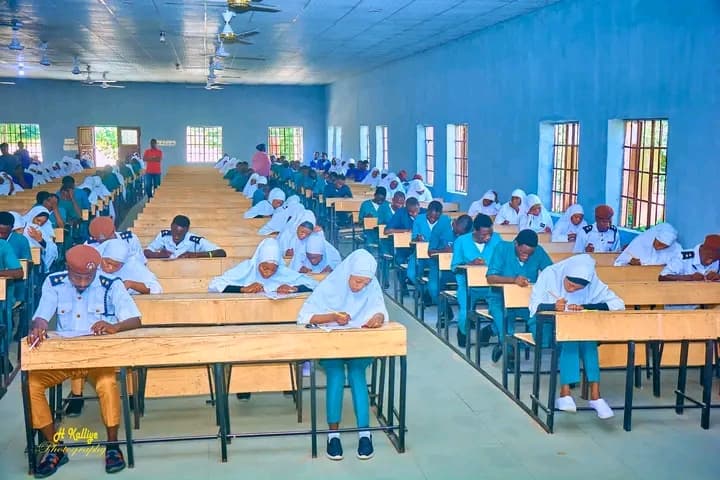
Under the scheme, children from economically weaker sections and disadvantaged groups can study free of cost in private schools up to Class 8, with the government reimbursing the fees to the school. The 25% reservation is a legal obligation on private unaided schools, not a favour, and the scale of demand confirms how much families value access to private classrooms when the cost barrier is removed.
The fee-disclosure order
The second development is the one school leaders should read carefully. The Directorate of Matriculation Schools has directed district and regional education officers to collect fee-structure details from every private institution in the state. The exercise sits under the Tamil Nadu Schools (Regulation of Collection of Fee) Act, 2009, and follows instructions from the state's Fee Determination Committee, which approves and caps what private schools may charge.
According to the same report on the directive, officers have been asked to compile the fee structures approved for the current year and submit them to the committee for review. In plain terms, the state wants a consolidated, current picture of what schools are actually charging, measured against what was sanctioned.
What this means for school administrators
If you run or work in a private school in Tamil Nadu, treat this as a live compliance task, not a routine circular.
- Reconcile charged fees against approved fees. The committee approves a figure. Schools that have layered on extra heads, development charges, activity fees, mandatory kits, are the ones most exposed when the two columns are put side by side. Do the reconciliation internally before the officer does it for you.
- Get your documentation in order. Have the committee's approval order, the current fee circular issued to parents, and the receipts schedule ready in a single file. A clean paper trail is the difference between a quick review and a drawn-out query.
- Separate RTE reimbursement from regular fee accounting. With both processes running at once, schools that blur the two invite scrutiny. RTE seats are reimbursed by the government against a defined rate; they are not a line item to be cross-subsidised quietly from general fees.
- Brief your front office. Parents read this kind of news and arrive with questions. Staff who can calmly explain the approved fee and the RTE process protect the school's reputation far more than a defensive non-answer.
What this means for parents
For families, a state-wide fee audit is a rare and useful thing. Fee opacity is the single most common complaint parents raise about private schooling, and a formal review gives you leverage you do not normally have.
If you are a fee-paying parent, this is a good moment to ask your school, politely and in writing, for the fee structure approved by the Fee Determination Committee for the current year. You are entitled to know the sanctioned figure, and a school operating cleanly will have no difficulty sharing it. Compare it against what you are being charged, and flag any head that does not appear in the approved structure.
If you are an RTE applicant who did not get a seat this round, do not treat the first list as the end. RTE admissions in most states move in rounds as confirmed admissions free up unclaimed seats, and Tamil Nadu officials themselves expect numbers to keep rising. Keep your documents verified and stay in contact with the allotted school and the local education office.
The bigger pattern
Tamil Nadu is not acting in isolation. Across India this season, fee regulation has moved from background grumble to active enforcement, with Delhi, Karnataka and Maharashtra all tightening oversight in different ways. What makes the Tamil Nadu move notable is its breadth: rather than acting on individual complaints, the state is asking for fee data from every private school at once and reading it against approvals.
For administrators, the message is that fee transparency is becoming a baseline expectation, enforced rather than encouraged. For parents, it is a reminder that the approved fee is a public fact you can ask for. The schools that come out of this looking strong will be the ones that were already charging what they were sanctioned to charge, and could prove it on a single page.