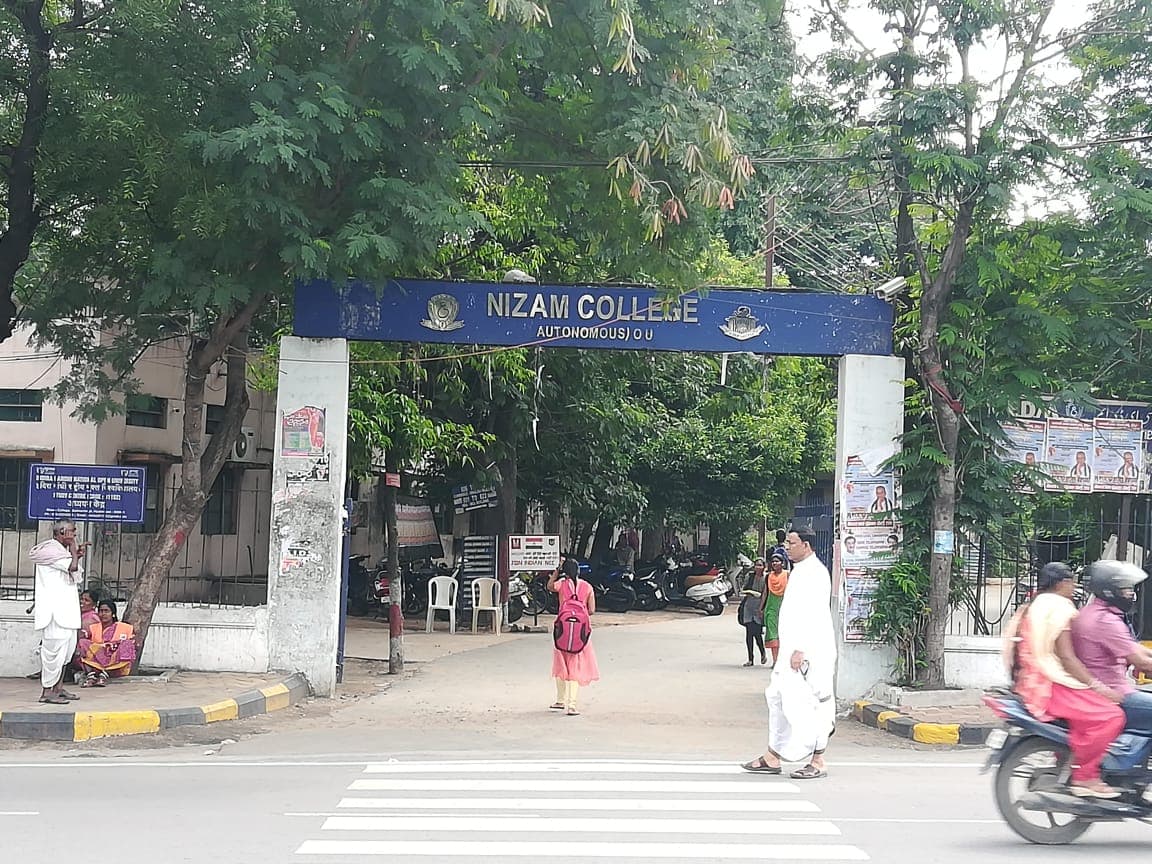
The Telangana Board of Intermediate Education (TGBIE) opened first-year Inter admissions for the 2026-27 session on May 8. The application window runs to May 31, classes begin June 1, and the first phase closes June 30. The new cycle introduces a 33% horizontal girls quota, mandatory Aadhaar capture during application, fresh anti-drug compliance norms, and a hard ban on private and corporate colleges holding their own entrance tests for Class 11.
For school heads and junior college principals across Hyderabad, Warangal, and the smaller urban centres, the next 21 days are about getting compliance right and the next 50 days about converting the inquiry pipeline into a stable Class 11 cohort. This is the working brief.
What is actually new this cycle
Three structural changes matter, and they are not interchangeable with last year's playbook:
- 33% girls quota, horizontal: the reservation is across streams, not just within the BC/SC/ST verticals (15% SC, 10% ST, 29% BC, 10% EWS). Plan seat distribution at section level, not just at the head count.
- Aadhaar at application: every applicant's Aadhaar must be captured online. Manual or Excel-only registers will be rejected at the verification audit. Make sure your front desk has an Aadhaar-compliant biometric or e-KYC integration before May 11.
- Anti-drug compliance: colleges must publish a code of conduct and integrate the new state-mandated anti-drug protocol into the orientation cycle. This will be auditable; document the orientation slot in the Class 11 calendar from day one.
The board also reiterated that admissions must be based on SSC marks and GPA — not on internal entrance tests. Private and corporate colleges that have historically run a "screening" exam need to retire that practice this cycle. Several principals we have spoken to have been told the audit will check this specifically, with penalties tied to recognition.
The 21-day operational checklist
The compliance side of this admission cycle is more demanding than the admissions arithmetic. Run the next three weeks against this list:
- By May 11: notification board updated with seat matrix (stream-wise, category-wise, girls-quota slots), fee structure as per the GO, recognised affiliation certificate, and a copy of the anti-drug code of conduct.
- By May 14: online application system live, integrated with the TGBIE portal. Train the front-desk team on Aadhaar e-KYC, document upload, and provisional admission protocols.
- By May 17: first review of the applicant pipeline. Shortlist by SSC marks, not by school of origin. Flag any application missing Aadhaar or category proof for callbacks.
- By May 22: finalise the orientation calendar including the anti-drug session, code-of-conduct briefing, and parent meeting.
- May 23-31: rolling provisional admissions. Each provisional admission must be recorded with the SSC roll number; once the marks memo is verified online, convert provisional to confirmed.
- June 1: classes begin. Compliance documentation set must be ready for any board inspection.
- June 30: phase 1 closes. Submit the seat-fill report to TGBIE.
The five most common audit findings — and how to avoid them
Looking at the recent admission cycles in Telangana, the audit findings cluster around predictable issues. The five things that get flagged most often:
- Missing girls-quota records. If the admission register does not show a clear horizontal girls-quota application, the audit reads it as non-compliance even if the actual head count is fine. Maintain a separate column in the register.
- Internal entrance tests under another name. Calling it a "diagnostic" or "placement" test does not change the regulator's view if it gates the admission. Stop the practice.
- Late Aadhaar capture. Capturing Aadhaar at orientation instead of at application is a finding. The order matters.
- Fee bundling. Charges that mix tuition with non-tuition (transport, materials, exam fees) into one invoice often fail the fee-transparency test. Itemise.
- Reservation overrun. Filling the SC/ST/BC/EWS verticals without checking the girls' horizontal quota first leads to a reservation overrun in section-level allocation. Run a section-by-section girls-count check before announcing the merit list.
What this cycle changes for the seat-fill conversation
Two structural shifts in the 2026-27 environment are worth flagging to the board of governors:
First, the SSC pass profile this year is tilted female: the Telangana SSC results released in April carried a higher female pass percentage than male, mirroring the 94.96% vs 89.56% pattern from Maharashtra's SSC 2026 cycle. The horizontal 33% girls quota is therefore likely to fill faster than the BC/SC/ST verticals; plan section seat caps with the female cohort as the leading edge.
Second, the ban on private entrance tests effectively ends a multi-year tier-sorting practice in the Hyderabad corporate college market. Colleges that built their brand on screening should expect a more diffuse applicant profile. The right response is in the academic plan — stronger remedial in the first six weeks of Class 11 — not in trying to game the admission rules.
Two notes on the parent-facing experience
Parents will arrive with three concerns this cycle: stream availability, college credibility post-NEP, and the new compliance norms (especially anti-drug and Aadhaar). The colleges that handle the front desk well in May tend to convert better in June. A short, direct FAQ at the reception desk — printed, not just on the website — is a small move with a real return.
The full TGBIE schedule and the GO are best tracked through the official notification at the Telangana Board of Intermediate Education portal. Phase 2 of admissions, for vacant seats, is expected in July; plan the seat-fill review meeting for the first week of July, not later.
For school heads in CBSE-affiliated K-12 schools watching the Inter cycle from the sidelines: the procedural tightening on Aadhaar, anti-drug protocols, and reservation horizontality is a forward indicator. Expect similar requirements in the next round of CBSE compliance updates over the 2026-27 academic year.