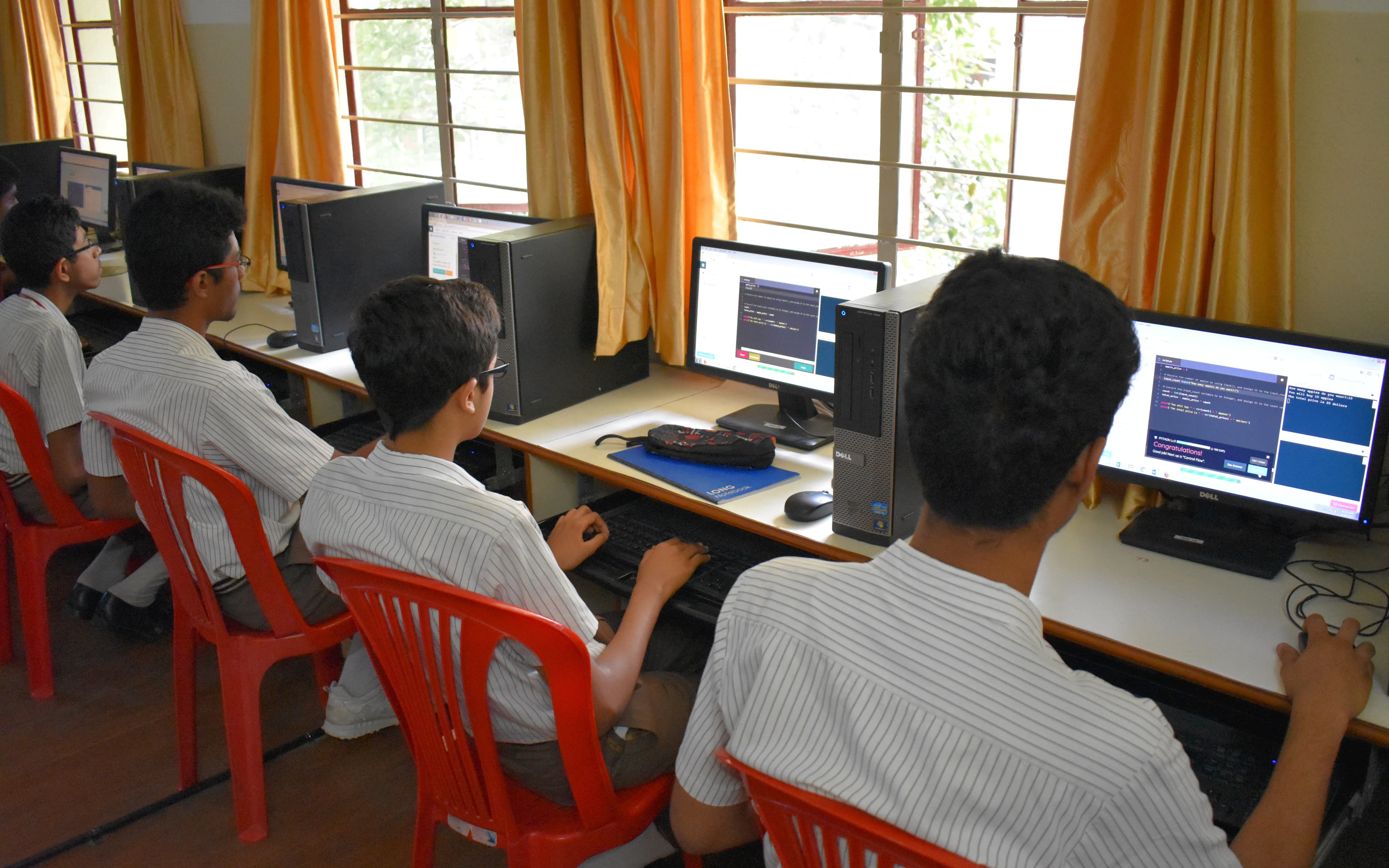
India's K-12 edtech market has corrected from a peak $22 billion valuation bubble to a roughly $3 billion sustainable Direct-to-Consumer base. Funding fell 56% in 2025. The survivors are leaner and more outcomes-focused. For school leaders, this is the right moment to renegotiate, consolidate, and rethink which platforms actually belong in the building. Here is a practical buying guide.
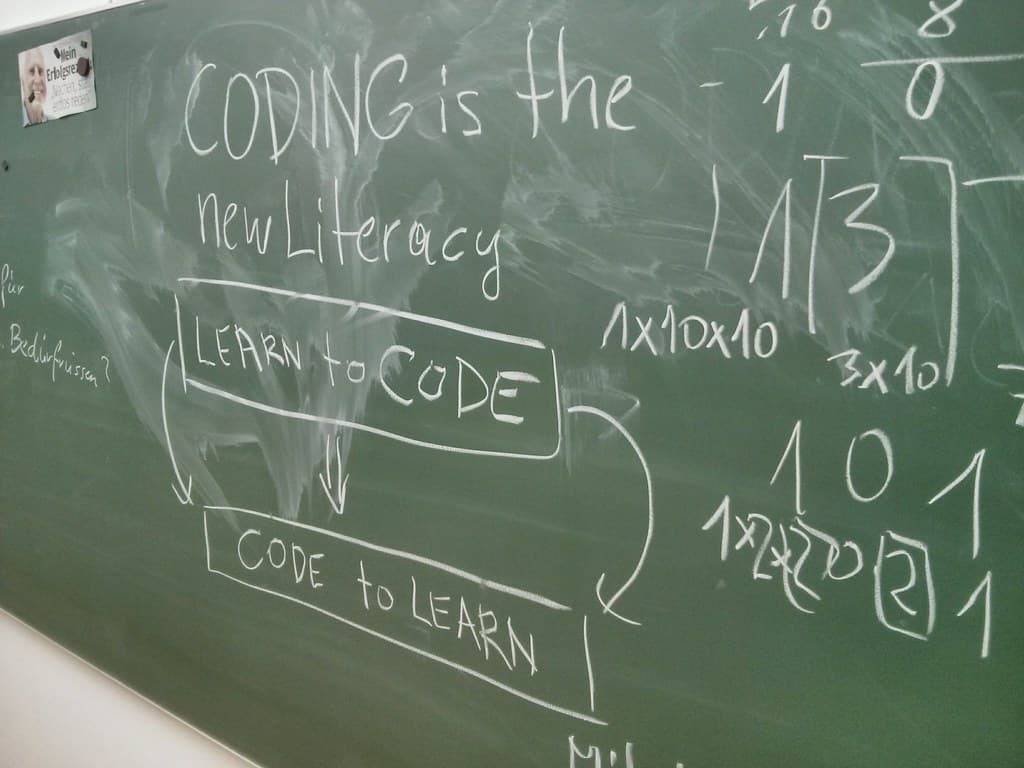
From the 2026-27 session, an integrated AI and Computational Thinking curriculum becomes mandatory from Class 3 onwards. Teacher training will run through NISHTHA modules; CBSE's existing SOAR programme is being absorbed and scaled. Here is what schools should plan for in the next two terms — timetable, teacher load, devices, and what parents need to be told.
NCERT is rolling out a new set of Class 9 textbooks for the 2026-27 session, the first big NCF-SE 2023 push at the secondary level. Beehive and Moments are out; an integrated language reader called Kaveri is in. Maths gets harder, assessment gets two-tier. Here is what schools and parents should plan for now.
CBSE's Class 10 Phase 2 begins May 15 with 6.68 lakh students registered. The biannual board exam model is rewriting how schools handle revision, results, and Class 11 transitions. What teachers and admins should plan for.
We pulled together every OTP-verified review from the past 18 months and looked at what parents actually mention vs what marketing brochures emphasise. The gap is the most useful thing on this page.
Anonymous reviews drove first-generation review platforms. Anonymous-but-verified is the wedge that actually changes the signal-to-noise ratio. Here is our data.
We pulled 8 years of fee data from 240 Delhi NCR schools and computed the actual annual growth — by fee tier, by board, by city. The pattern is more interesting than the headlines suggest.