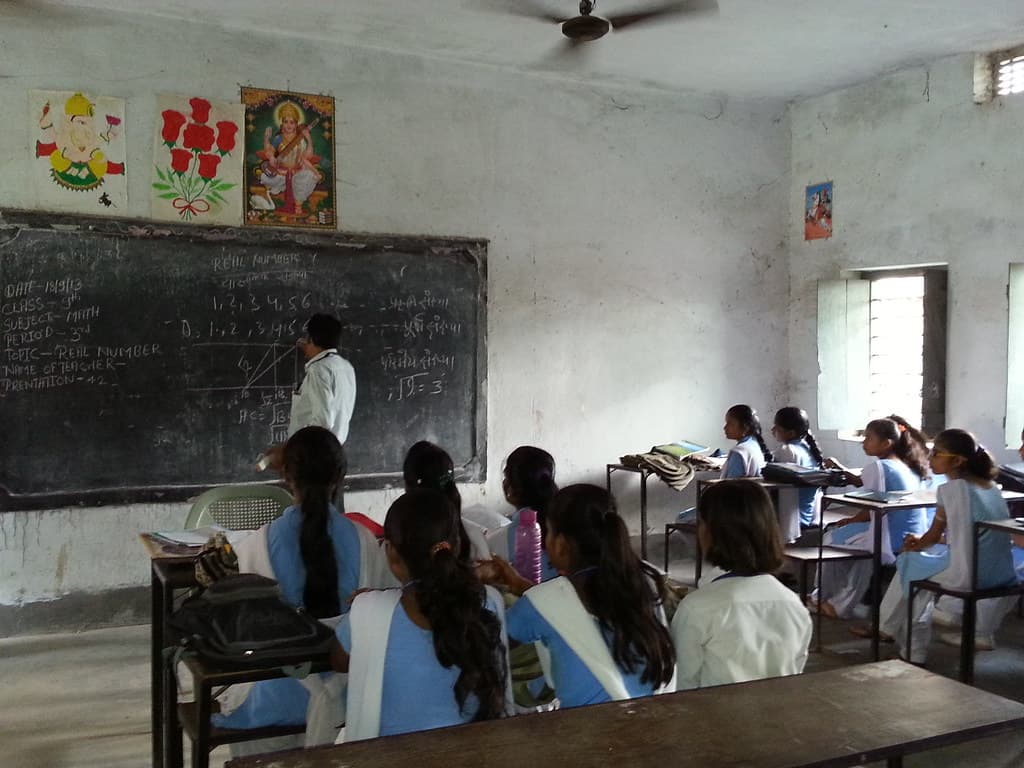
Delhi has begun asking every government school to nominate one nodal teacher to drive NEP implementation on the ground, backed by a three-day SCERT training. It is a small administrative move with large implications for how reform actually reaches classrooms. Here is a working brief for teachers.
As the 2026-27 session opens, India is shifting from rote-recall board exams toward competency-based assessment under PARAKH, with new NCERT textbooks and a foundational-learning push behind it. Here is what the change actually means for parents and school leaders.
AI and computational thinking enter Indian classrooms from Class 3 in the coming academic year, yet surveys suggest only a small fraction of teachers feel AI-fluent. Here is an honest look at the training gap and what teachers and schools can do about it now.
India's edtech investment has crashed to an eight-year low even as AI moves to the centre of how students learn. For principals and trustees, the contradiction is the strategy: this is the moment to buy smart, partner carefully, and avoid the mistakes of the last boom.
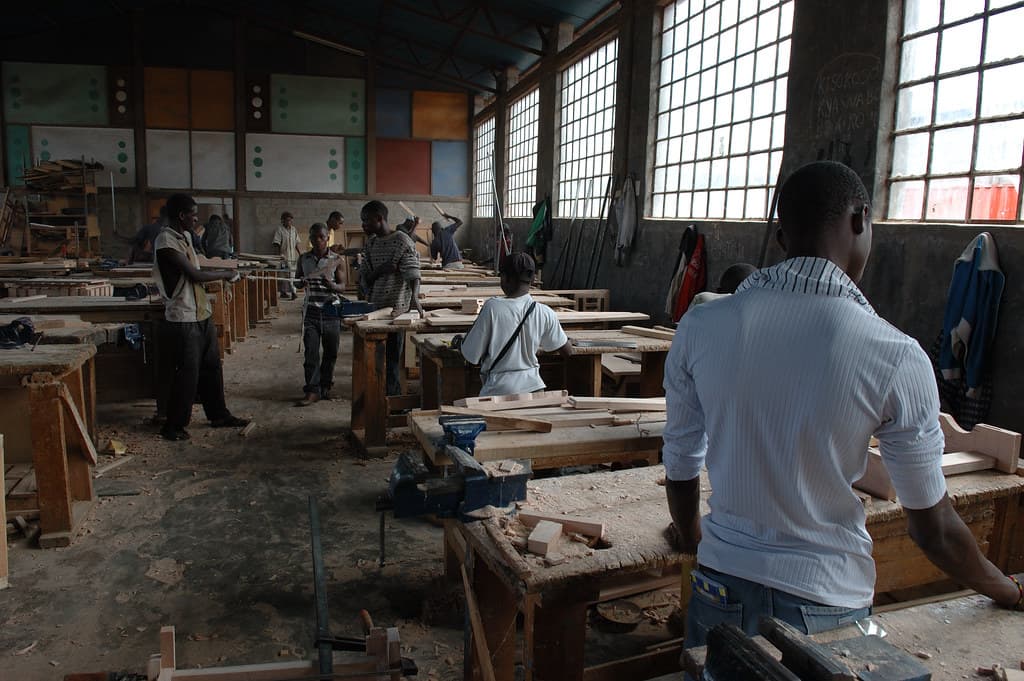
NEP 2020's vocational mandate for Classes 6 to 8 is now operational through NCERT's Kaushal Bodh activity books, and 2026-27 is the first session where every CBSE middle-school teacher is expected to plan around three projects, 110 hours, and three work domains. A teacher's brief on the timetable swap, the project sequence, and what to ask for before term begins.
NITI Aayog's May 6 policy report — Temporal Analysis and Policy Roadmap for Quality Enhancement — is the rare official document that pushes back on the parent shorthand that "private" is a quality signal. With government school enrolment at 49.24% for the first time and 13 systemic recommendations on the table, here is a parent's working brief for the 2026-27 school decision.
NCERT has rolled out a fresh set of Class 9 textbooks in English, Sanskrit, Mathematics and Science for the 2026-27 session — the biggest curriculum reset for the grade in more than 20 years. With schools across most states reopening in 10 to 14 days, a Class 9 teacher's June calendar is now full. Here is the working brief.
CBSE's 2026 Class 12 region table shows Trivandrum at 95.62% and Prayagraj at 72.43%. A 23-point gap between top and bottom — wider than 2025 — at a 3.19-point lower overall pass rate. Here is what school administrators should read into the spread, where the methodology limits comparison, and the four governance items worth putting on the calendar this term.
Punjab has become the first Indian state to train 5,000+ government schoolteachers as certified career mentors, in partnership with IIT Madras and IITM Pravartak. The model — free training, top-100 career frameworks, classroom-level deployment — is being watched closely by other state boards. Here is what teachers, school heads, and parents should take away from how it is being built.
Katha Lab School in Delhi (Arts and Culture) and DPS Bangalore North (Inclusive Education) have made the Global Schools Prize 2026 shortlist from around 3,000 nominations across 113 countries. The shortlist matters less for the press release than for what the two schools' approaches reveal about gaps in mainstream Indian schooling — and the portable lessons school heads should take.
Tamil Nadu's Higher Secondary result was declared today at a 95.20% pass rate, slightly up from last year. The state-wide numbers are useful as a benchmark, dangerous as a yardstick. Here is the working frame for school administrators on what the data actually says, where the methodology limits comparison, and what to put on the governance calendar this fortnight.
NITI Aayog's policy report names teacher workforce shortages as one of five system-level constraints in Indian school education and proposes reforms across deployment, professional development, and school leadership. Here is what teachers should read out of the May 7 report — and the three things to plan for before the new academic year begins.