NEP 2020's vocational mandate for Classes 6 to 8 has been sitting in policy documents for five years. Kaushal Bodh — NCERT's activity-book series on vocational education — is now the operational form of that mandate, and 2026-27 is the first session where every CBSE middle-school teacher is expected to plan around it rather than treat it as an optional add-on. The Class 6 book reprint is dated 2025-26; the Class 7 and Class 8 books cleared editorial review earlier this year. For the working middle-school teacher about to begin term, here is what changes inside the classroom and what to put on the May-to-July calendar before the projects begin.
What Kaushal Bodh actually is
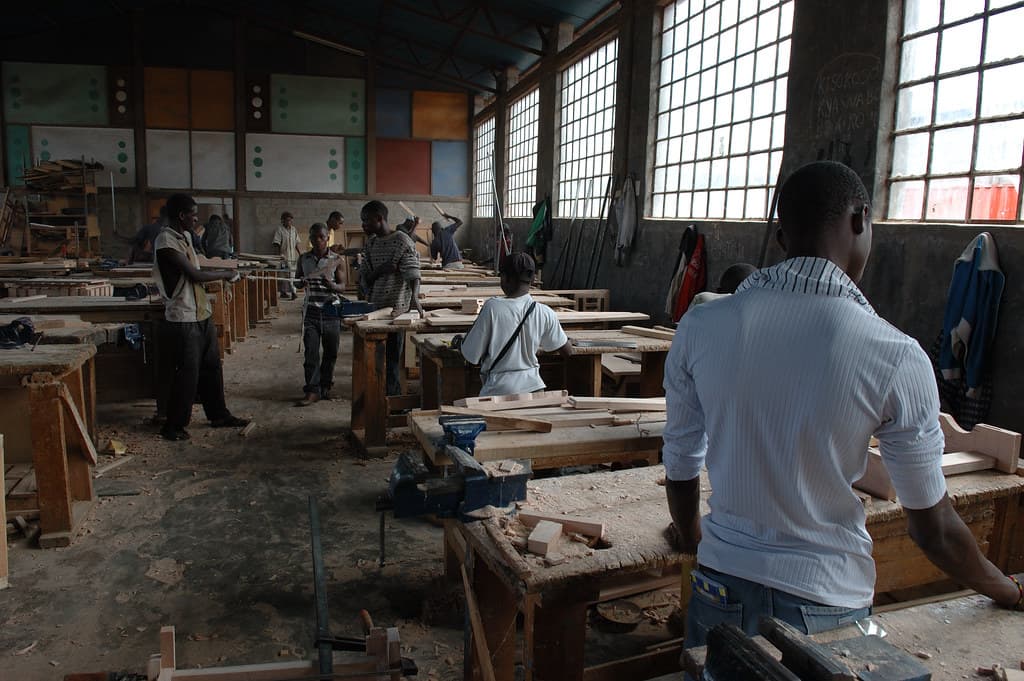
Kaushal Bodh is not a textbook in the traditional sense. It is a workbook structured around three Work Domains: Living Things (kitchen gardens, ecology, agriculture basics), Materials and Machines (woodwork, clay, hand tools, basic electronics), and Human Services (first aid, community service, health). Each student is expected to complete three projects every year — one drawn from each domain — and schools are expected to allocate roughly 110 hours over the year (about five periods a week) to make this work, as the CBSE curriculum framework spells out.
The curriculum framework leans heavily on the NEP 2020 ambition that at least 50% of Indian learners should have exposure to vocational education by 2025-26. Class 6 is the entry layer — creativity, green skills, basic digital. Class 7 layers in ecological awareness, gender sensitivity, digital projects like a small AI assistant or storytelling with puppets. Class 8 pushes toward real-world problem-solving: hydroponics, carpentry, home automation, water audits.
What changes for the teacher
Three things change concretely.
First, the timetable. Five periods a week is not five new periods; it is a reshuffle. Most CBSE schools are folding Kaushal Bodh time into the existing Work Experience, Art Education, and Health and Physical Education slots, with one period borrowed from the regular academic load. The principal-level decision about which subject gives up a period to make this work is the single biggest reason Kaushal Bodh implementation stalls. Have that conversation in the first week of June.
Second, the assessment shift. The old SUPW grading was largely participation-based. Kaushal Bodh expects three completed projects and a portfolio. The portfolio is not a marks-based instrument; it is descriptive. Teachers will need to document evidence — photographs of the kitchen garden bed, a short video of the hand-tool demonstration, the student's own written reflection — rather than mark a quarterly paper. Set up the digital folder structure now. A shared school drive folder per student per term works better than printed portfolios.
Third, the parent letter. The school's communication to parents around Kaushal Bodh is now an unavoidable item. The two recurring questions from parents are: is this an extra subject my child has to score in, and do they need a separate tutor. The answer to both is no. A short, plain-language letter from the school in the first week sets expectations and avoids the WhatsApp-group churn that has dragged previous CBSE rollouts — the three-language R3 framework being the most recent example.
The three projects: planning before the term begins
The most useful planning a teacher can do in the next two weeks is sequencing the three projects across the year. The sequence that works for most schools is:
- Term 1 (June to September) — Living Things: the monsoon and post-monsoon window is the only time of year when a kitchen garden, a school nursery, or a composting unit is fast enough to give visible results inside a school term. Class 6 can start with a small terrace bed; Class 7 with a vermicompost unit; Class 8 with a hydroponics tray.
- Term 2 (October to December) — Materials and Machines: the festival-and-exam window is well-suited to indoor, low-mess work — tie-and-dye for Class 7, basic carpentry or a clay project for Class 8, simple circuits for Class 6.
- Term 3 (January to March) — Human Services: the closing term, with annual day and community-service drives already on the calendar, is the best window for first aid sessions, health camps, and the inter-class peer-mentoring projects that the Class 8 book leans into.
This sequencing is not in the NCERT book. It is a school-level call. The classes that publish a clear term-wise sequence in week one finish all three projects on time; the ones that try to decide later usually drop one project in March.
Resources, training, and what to ask for
CBSE has begun rolling out teacher training through NISHTHA modules and the existing SOAR programme is being absorbed into the wider Kaushal Bodh framework, per CBSE's training schedule. If your school has not yet nominated middle-school teachers for the May-to-July training cycle, push for that nomination this week. Training during the term is harder.
For materials, the Kaushal Bodh book itself lists project requirements at the start of each chapter. The most expensive items in a typical year are the hydroponics tray (Class 8), a basic carpentry set (Class 7 and 8), and the first-aid kit refills (all three classes). Most schools are budgeting between Rs 80 and Rs 150 per student per year for consumables. Build this line into the annual school estimate before June.
What to track over the next month
Three things to track: the school's principal-level decision on the timetable swap, the parent letter going out in the first week, and the teacher nomination for the NISHTHA Kaushal Bodh training cycle. If those three are not in place by mid-June, the 110-hour expectation will compress into a frantic March push and the portfolio will become an end-of-year paperwork exercise rather than the year-long competency record it is meant to be.
This is the first cycle where vocational education stops being an optional add-on and becomes a graded part of middle school. The teachers who treat it as a planning task rather than a paperwork task will get the most out of it.